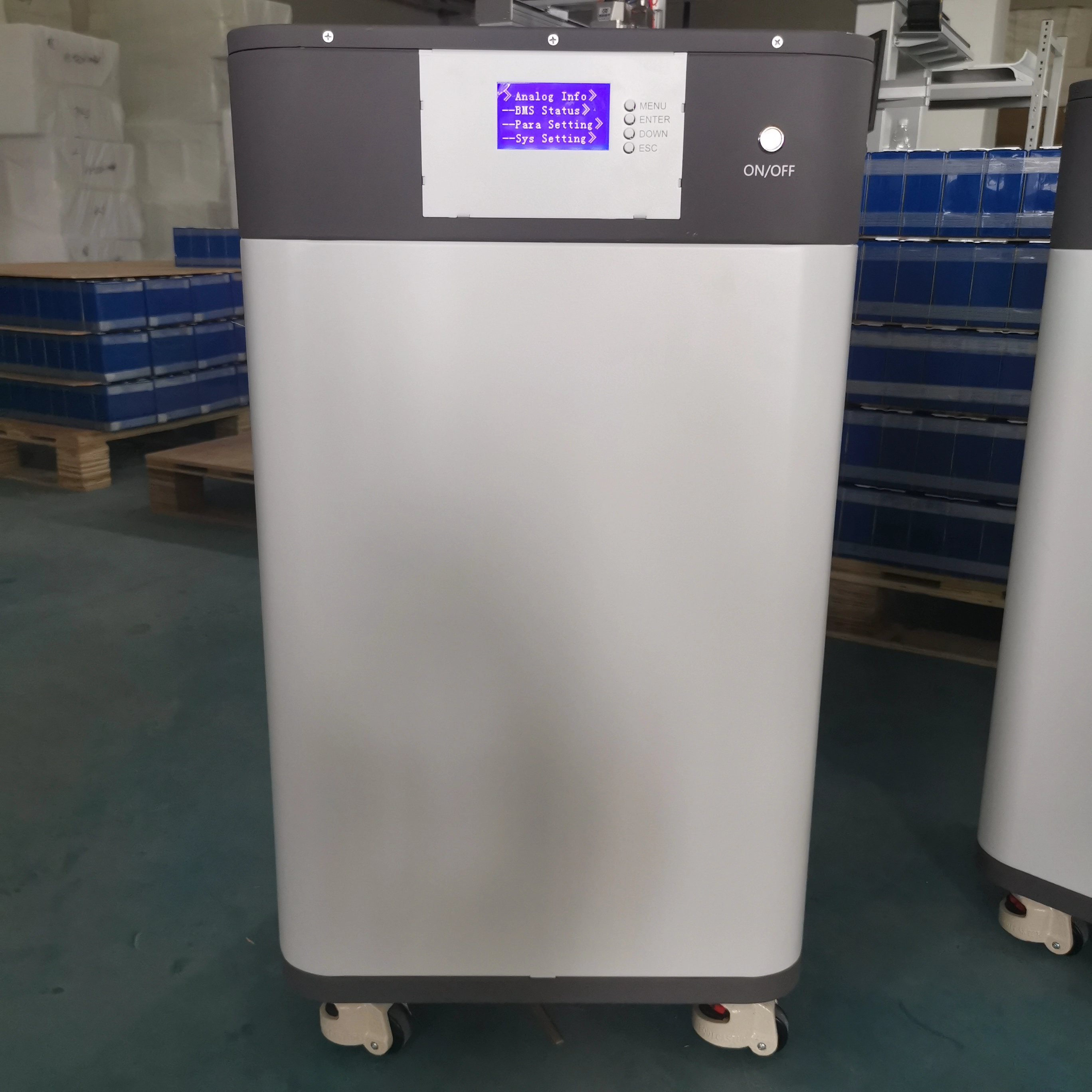
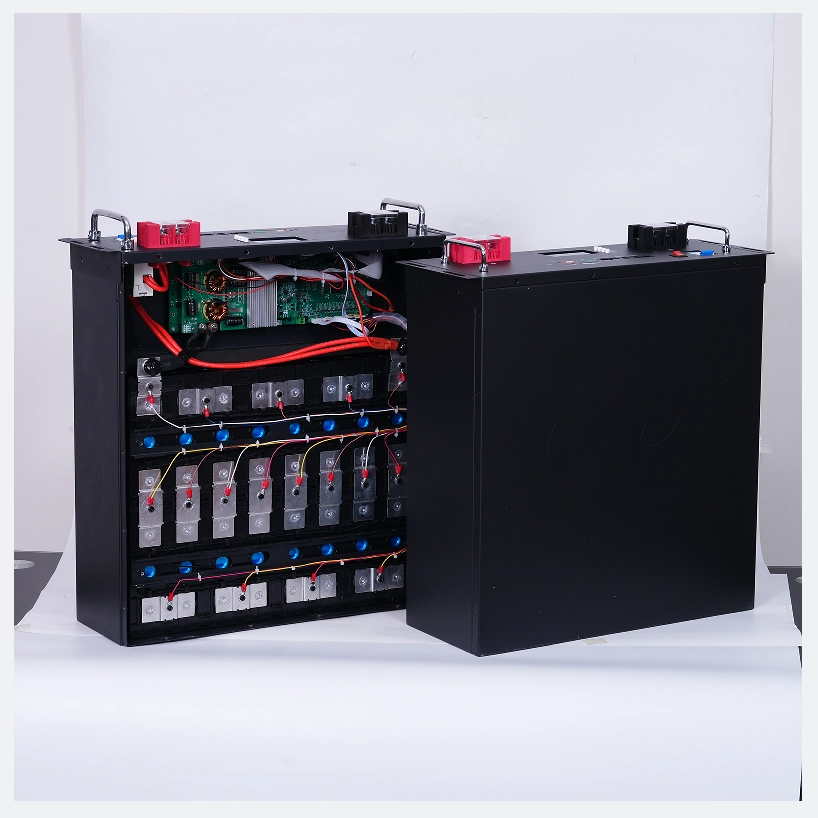
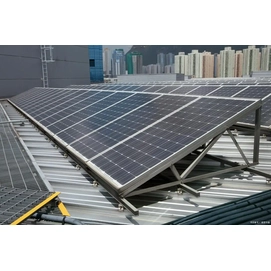
Under the tide of clean energy, energy storage technology is gradually becoming a brilliant gem in the energy system. And the energy storage power supply, as the key device for storing and releasing electrical energy, its internal battery cells are the heart of the entire system. There are various types of battery cells, and each type has its unique performance characteristics and technical advantages. As an electrical engineer, delving into the world of battery cells can not only enhance our professional competence in energy storage, but also inspire new technological innovation ideas. Today, let's go into the family of battery cells and uncover their mysterious faces.
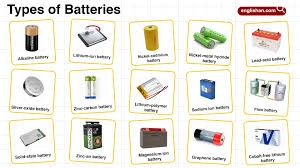
Lead-acid batteries: The classic and reliable old friend
When it comes to energy storage cells, lead-acid batteries are undoubtedly the most long-standing member. Since they were invented by French physicist Plante in 1859, lead-acid batteries have gained a foothold in industrial energy storage and vehicle start-up applications due to their low cost and simple maintenance. Although their energy density is relatively low, in large-scale energy storage systems, especially in scenarios where cost is a critical factor, lead-acid batteries still hold an irreplaceable position.
Lithium-ion batteries: The darling of the new era
Lithium-ion batteries, abbreviated as Li-ion batteries, have been commercially produced by Sony since the 1990s and have rapidly dominated the consumer electronics market, gradually penetrating various fields such as electric vehicles and large-scale energy storage stations. Li-ion batteries, with their high energy density, long cycle life, and fast charging and discharging capabilities,have become the star products in the energy storage power supply industry. Currently, the mainstream types of lithium-ion batteries on the market include lithium iron phosphate (LiFePO4), lithium cobalt oxide (LiCoO2), lithium manganese dioxide (LiMn2O4), and nickel cobalt aluminum/nickel cobalt manganese oxide (NCA/NMC): commonly known as ternary lithium. Each material has its specific advantages and disadvantages, meeting different application requirements.
Sodium-ion batteries: A promising newcomer with great potential
In recent years, sodium-ion batteries (SIB) have attracted the attention of an increasing number of researchers due to their abundant raw material reserves and potential cost advantages. Sodium is more abundant on Earth than lithium, theoretically enabling a significant reduction in the manufacturing cost of energy storage systems.Although the energy density of SIB is slightly lower than that of Li-ion batteries at present, in the field of fixed energy storage, especially in the construction of large-scale energy storage stations, sodium-ion batteries demonstrate great potential and are expected to become a strong competitor in the next generation of low-cost energy storage technologies.
Fluid batteries: The energy storage revolution for the future
Fluid batteries, also known as liquid batteries or redox reduction flow batteries (RFB), represent a completely new energy storage technology. Unlike traditional solid-state batteries, fluid batteries utilize two independent circulation electrolyte solutions for charging and discharging reactions. They store electrolytes in external tanks,achieving the separation of energy storage and power output, and possess excellent scalability, deep discharge capacity, and long lifespan. They are particularly suitable for large-scale and long-duration energy storage needs and are regarded as one of the ideal solutions for grid-level energy storage in the future.
Conclusion:
The world of battery cells in energy storage systems is like an unexplored new continent, hiding countless treasures waiting to be discovered. From the historically renowned lead-acid batteries to the currently popular lithium-ion batteries; from the emerging sodium-ion batteries to the future-oriented fluid batteries, each type of battery cell is telling the story of energy storage technology in its own way. As electrical engineers, our mission is not only to master the existing knowledge, but more importantly, to continuously explore new technologies and contribute to building a clean, intelligent, and efficient energy future.
In the future, what challenges and opportunities will energy storage technology face? What innovations and evolutions will the battery family undergo? These are questions that every engineer involved in the field of energy storage should ponder. Let's join hands and explore our own starry seas in this vast technological ocean.