In the wave of renewable energy, solar photovoltaic systems, with their clean and renewable characteristics, have become an important driving force in the global energy transition. Among the core components of the photovoltaic system, the MPPT (Maximum Power Point Tracking) controller and the inverter are undoubtedly the two major technological giants. Each of them plays an indispensable role in the system. This article will deeply explore the differences between the MPPT controller and the inverter, helping electrical engineers and energy storage power users better understand the characteristics and application scenarios of these two key devices.
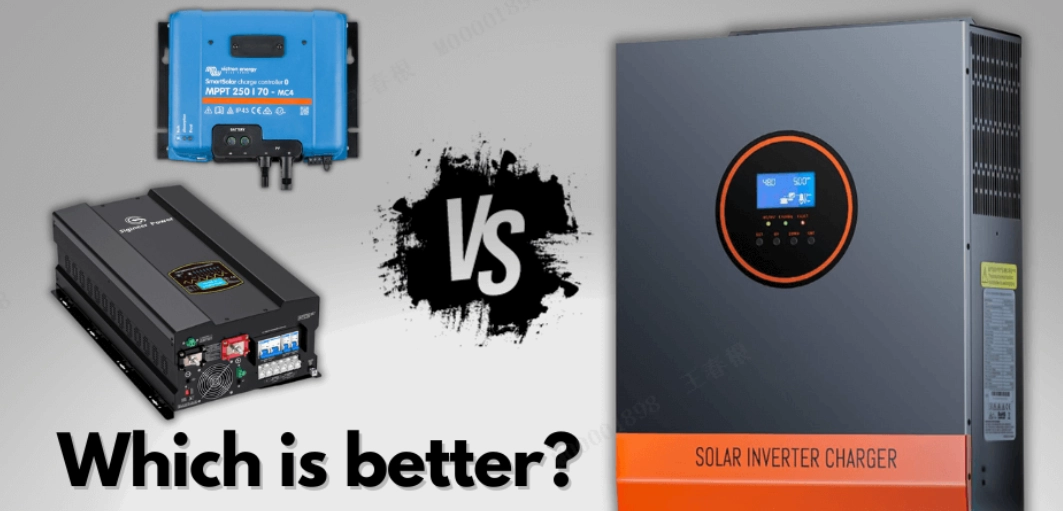
1. MPPT Controller: The Intelligent Energy Harvester
MPPT, which stands for "Maximum Power Point Tracking", is a key technology in photovoltaic systems used to optimize the energy output of solar panels. Its core task is to adjust the output voltage and current of the solar panel in real time under constantly changing light and temperature conditions,ensuring that the system always operates at the highest efficiency point, i.e., the maximum power point. The MPPT controller precisely tracks this dynamic point through complex algorithms, such as the perturbation and observation method and the conductance increment method, thereby significantly increasing the overall energy output of the photovoltaic system.
The introduction of MPPT controllers has significantly enhanced the energy conversion efficiency of solar photovoltaic systems, especially in situations where the light intensity and environmental temperature fluctuate greatly. For those designers who are seeking high efficiency and stability in their photovoltaic system designs, MPPT controllers are undoubtedly an indispensable "intelligent energy harvester".
2.Inverter: The Magician of Electricity
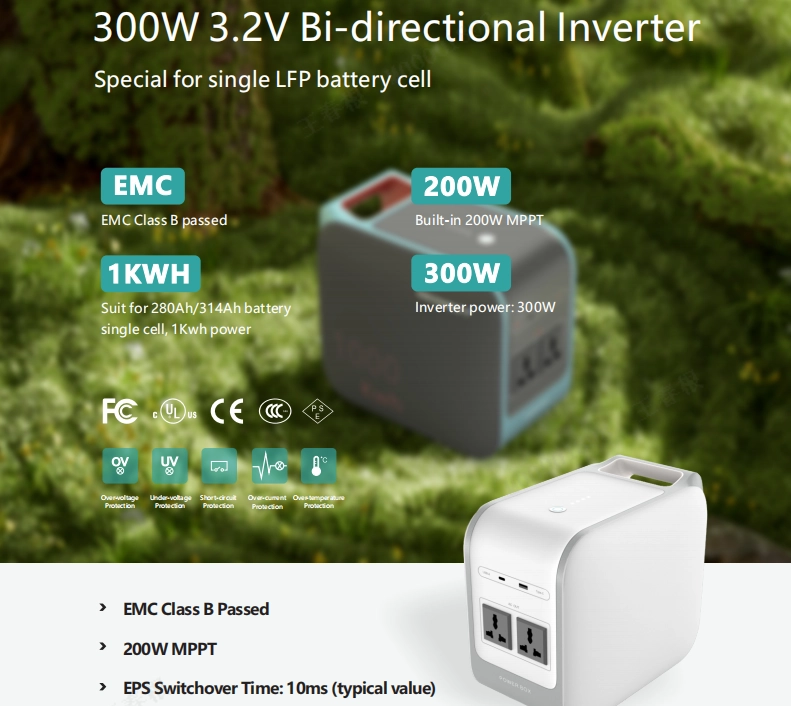
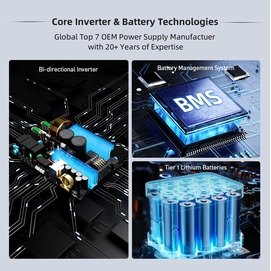
If the MPPT controller is the energy optimization master in the photovoltaic system, then the inverter can be regarded as the magician of electricity. The main task of the inverter is to convert the direct current (DC) generated by the photovoltaic panels into alternating current (AC), making it compatible with the power grid or suitable for household and commercial electricity usage.This process involves not only the conversion of voltage and current, but also the adjustment of frequency and phase to ensure that the output AC meets the standards of the power grid or the requirements of the load.
The design and performance of the inverter directly affect the overall efficiency and reliability of the photovoltaic system. Modern inverters not only have efficient power conversion capabilities but also integrate various intelligent functions, such as remote monitoring, fault diagnosis, energy management, etc., providing comprehensive technical support for the photovoltaic system. For photovoltaic systems connected to the grid, the inverter also plays an important role in grid connection control, ensuring the stable interaction between the system and the grid.
3.MPPT and Inverter: Complementary Rather Than Substituting
Although the roles of MPPT controllers and inverters in photovoltaic systems are different, they are not simply substituting for each other. Instead, they complement each other and jointly promote the efficient operation of the photovoltaic system. The MPPT controller focuses on optimizing the energy capture of solar panels,while the inverter is responsible for converting the captured energy into usable electrical form. Together, they form an efficient and stable photovoltaic power generation system, providing a solid technical foundation for the widespread application of renewable energy.
Conclusion
In the vast field of electrical engineering, the MPPT controller and the inverter are like twin stars, each playing a crucial role at different stages of the photovoltaic system. For electrical engineers, a thorough understanding of the characteristics and applications of these two devices not only helps in designing more efficient and stable photovoltaic systems, but also plays a significant role in promoting energy transformation and achieving green and sustainable development.With the continuous advancement of technology, in the future, MPPT controllers and inverters will become more intelligent and integrated, bringing more innovations and breakthroughs to the field of renewable energy.