I. Safety Standards for Charging and Discharging Operations:
Environmental Requirements: Lithium battery charging and discharging operations should be conducted in a well-ventilated and temperature-controlled environment. This helps to prevent adverse conditions such as overheating and excessive humidity from affecting the performance and safety of the batteries. Additionally, the charging and discharging area should be kept away from the core area and equipped with an independent fire preventi
Selection and Use of Chargers: When performing charging operations, chargers that comply with relevant standards and are of high quality must be selected. Chargers should have safety features such as short-circuit protection, automatic power-off function, overcurrent protection function, and anti-out-of-control function. Additionally, battery packs should use chargers with balancing functions to ensure that the charging status of each individual cell in the battery pack is balanced.
Battery inspection: Before conducting charging and discharging operations, it is necessary to check whether the battery is qualified. This includes confirming whether the battery has any abnormalities such as damage, deformation, leakage, smoke emission, or leakage of electricity. If there are any problems, the charging and discharging operations shall not be carried out, and the battery should be safely disposed of in a timely manner. 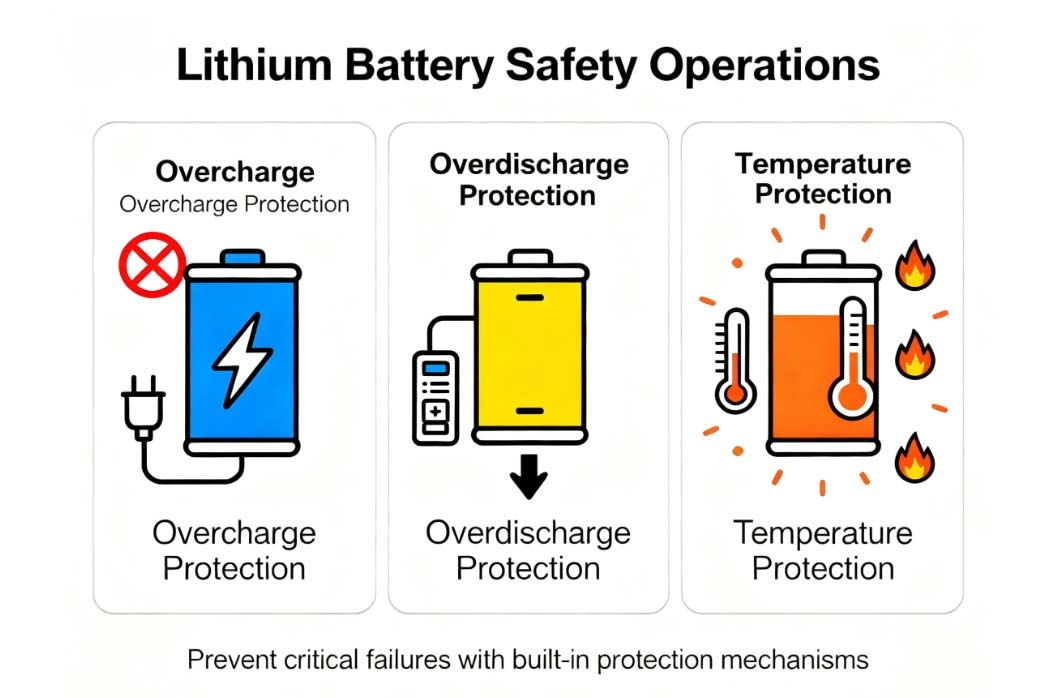
Avoid overcharging and overdischarging: The charging and discharging operations of lithium-ion batteries should avoid overcharging and overdischarging. Overcharging may cause problems such as increased internal pressure and electrolyte leakage in the battery, while overdischarging may lead to a decline in battery performance and shortened lifespan. Therefore, the voltage and current during the charging and discharging process should be strictly controlled to ensure that the battery operates within a safe range.
Temperature control: Avoid charging or discharging the lithium battery in high or low temperature environments. High temperatures may cause thermal runaway of the battery, while low temperatures may affect the charging and discharging performance of the battery. Additionally, the charging and discharging current of the lithium battery must not exceed the maximum current specified in the specification.
Use power circuits that comply with national standards: When performing lithium battery charging and discharging operations, it is necessary to use power circuits that meet the relevant electrical standards of the country to ensure the stability and safety of the power supply.
II. Electrical Safety Standards:
Equipment Insulation and Grounding: Solar Lithium battery-powered electrical devices should have excellent insulation properties to prevent leakage and electric shock accidents. Additionally, the equipment should be properly grounded to ensure that in the event of an electrical fault, the current can be directed into the ground, protecting personnel safety.
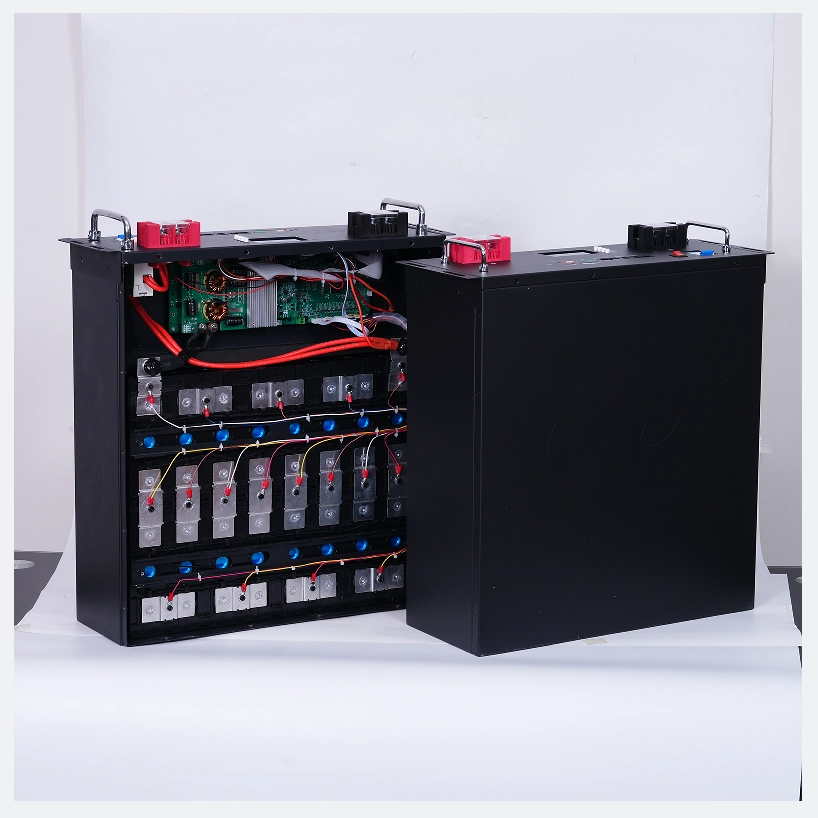
Electrical connection and protection: The electrical connections of lithium batteries should be firm and reliable to prevent loosening or detachment. For exposed electrical parts, protective measures should be taken, such as covering them with insulating materials or installing protective covers, to prevent accidental contact by personnel.
Regular inspection and maintenance: Conduct regular inspections and maintenance of lithium battery-powered electrical equipment to ensure they are in good working condition. This includes checking for loose electrical connections, damaged insulation, and abnormal overheating of the equipment.
Safety training and operation standards: Conduct safety training for personnel operating lithium battery-powered electrical equipment, enabling them to understand the safety performance, operation methods
In summary, the safety requirements for lithium batteries cover various aspects regarding charging, discharging operations and electricity usage. This includes regulations on the working environment, equipment selection, battery inspection, as well as insulation and grounding of electrical equipment. The implementation of these standards helps ensure the safety and reliability of lithium batteries during use and reduces the risk of accidents.