1. Main factors influencing the self-discharge rate of lithium-ion batteries:
Cell self-discharge rate and battery storage temperature;
The current consumed by the battery management circuit within the battery pack;
When the battery is installed inside the host, the static current of the device generates the consumption current.
When the battery is connected to the charger, the static current of the charging circuit generates the consumption current.
The capacity of the battery, including the number of individual cells in the battery pack that are connected in parallel;
2. What is the self-discharge of lithium-ion batteries?
Due to the spontaneous physical and chemical discharging within lithium-ion batteries, the cells will gradually undergo self-discharge, losing their charge and resulting in the loss of chemical energy. Generally, the monthly self-discharge rate of lithium-ion batteries ranges from 0.5% to 3%. The storage temperature of the battery has the greatest impact on the self-discharge rate. Higher temperatures will intensify the chemical reactions within the battery, leading to more self-discharge. Therefore, the storage environment of the battery has a significant influence on its lifespan.
3. Self-consumption Electricity of the Battery Management System (BMS)
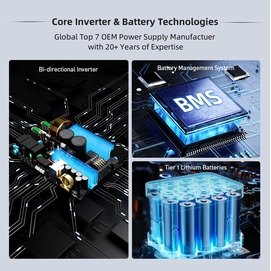
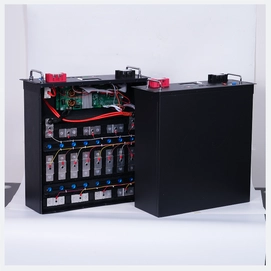
In addition to the battery cells, an internal battery management circuit (BMS) is also required in intelligent batteries to continuously monitor the battery current, voltage, and temperature, providing safety protection and power calculation for the battery. Besides the self-discharge of the battery cells, these electronic components also cause additional current consumption for the battery product.
The battery management system is meticulously designed to minimize current consumption to the greatest extent, and it has various working modes. In different modes, it has different current consumption. The standard intelligent battery usually has the following working modes:
Normal mode: < 500uA (battery charging and discharging state or communication state)
Sleep mode: < 200uA (When the battery is not being charged or discharged and there is no communication, it automatically enters the sleep mode after 20 seconds)
Power-off mode: < 10uA (When the cell voltage is lower than 2.2V or the host sends an instruction to actively enter this mode)
Based on the above data, the theoretical battery capacity consumed by the battery management system circuit during a one-month period of static storage can be calculated as follows: 0.2mA * 24h * 30D = 144mAh. (200uA = 0.2mA) Assuming that the batteries are stored under optimal conditions, the reference values for the self-discharge of the BMS of the lithium battery pack and the self-discharge of the cells (at a rate of 1% per month) are as follows:
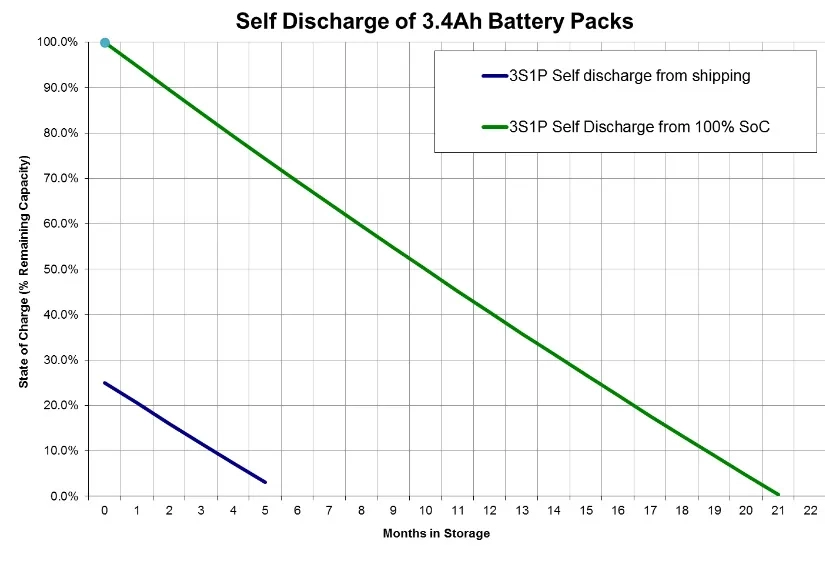
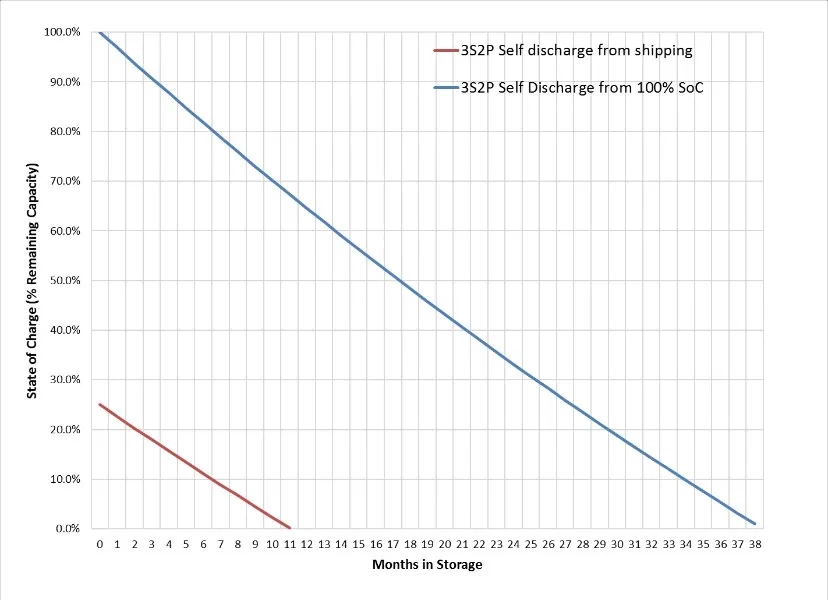
From the above picture, we can draw the following conclusion:
1)、The capacity of the battery has a direct relationship with the storage validity period of the battery. Batteries with smaller capacity can store for a shorter period of time, while larger capacity or more parallel-connected battery packs can be safely stored for a longer period.
2)、The battery's charging status is directly related to its storage shelf life. Before long-term storage, the battery should be charged to more than 30%.
3)、The battery should be checked every six months. If its capacity is lower than 30%, it should be recharged to above 30%.
4. Shutdown Mode
The Battery Management System (BMS) is equipped with a shutdown mode to minimize current consumption to the greatest extent. When the cell voltage drops below 2.2V, the BMS will enter the shutdown mode and shut off the battery output. At this point, the self-consumption current of the BMS will decrease to approximately 1uA, preventing the battery from permanently failing due to severe under-voltage. This mode requires charging to activate.
If the customer requires long-term storage or long-distance maritime transportation, the main unit can actively send a command to put the battery into a power-off mode. This will minimize the battery's self-discharge and extend the battery's storage time to the greatest extent. Power-off command: Send the 0x0010 command to the battery address 0X16 twice consecutively within 2 seconds.
5. Transportation Safety
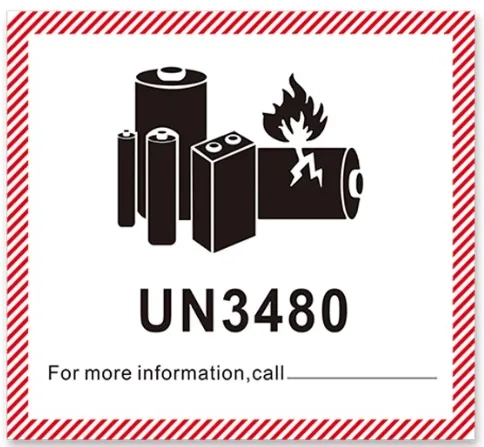
Since 2016, IATA/UN/DOT has set the charging state of batteries at <30%. We must adhere to these requirements, so all our batteries are shipped at a charge level below 30%. It is recommended that you charge the batteries promptly after receiving them. If you do not use them for a long time after receiving them, the battery charge may drop to 0. If the battery is not charged within 6 months after leaving the factory, there is a risk of permanent failure.
6. Full Charging Storage
Taking into account the self-discharge of the battery, in order to achieve the maximum storage time, some customers may fully charge the battery for storage. However, lithium-ion batteries should not be stored at 100% charge. If they are continuously stored in a 100% charged state, the lithium-ion battery will lose a certain amount of capacity. This is quite common in UPS applications and laptops. When continuously maintained at a fully charged state, lithium batteries
7. Calendar Life
Even if the lifepo4 battery is not charged or discharged, due to the aging of the chemical substances inside the cell, there will still be some wear and tear during long-term storage. Our empirical value is 5% per year. If used normally, the empirical value is that for each cycle of 100 times, the battery capacity will lose approximately 5%.
8. Summary
There are still many factors that affect the actual shelf life of lithium-ion batteries. Regarding the general maintenance methods for lithium-ion batteries, we suggest:
• Check the inventory batteries once every 4 months; especially for those that have been installed inside equipment and have not been used for a long time, and for which the batteries have not received charging.
Under low SOC conditions, the storage time of lithium-ion batteries should not exceed 6 months.
The storage temperature has a significant impact on the solar battery. Store the battery at room temperature or a slightly lower temperature (ideally between 10-20°C).
When transporting the battery, keep the battery's charge level below 30% to comply with regulatory requirements.
Our product requires a capacity check every six months. If necessary, charging should be carried out promptly.
Note: The above are conservative guidelines based on experience, intended to provide usage and maintenance instructions for lithium-ion battery packs, and do not represent any promises or warranties.